Interior Design Trends to Watch in 2025
- nafisamuradovasite
- Dec 30, 2024
- 3 min read

As we embrace 2025, the world of interior design is witnessing a shift toward nature, sustainability, and personalization. Homeowners are increasingly drawn to spaces that blend functionality with beauty, reflecting individuality and a deeper connection to the environment. Let’s explore some of the most prominent design trends for the year.
Biophilic Design
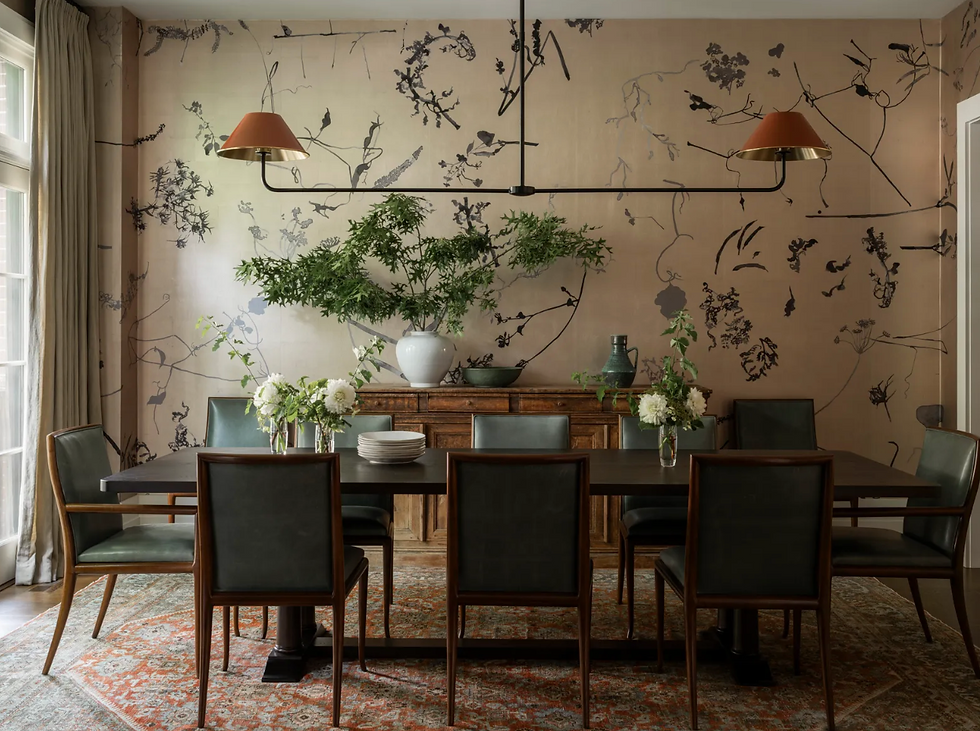
One of the most prominent trends this year is biophilic design, which focuses on creating a stronger connection to nature. Homes are becoming greener with the integration of living walls, indoor gardens, and an abundance of plants that bring vibrancy and serenity to indoor spaces. Materials like wood, stone, and natural fibers are widely used to craft warm and organic atmospheres. Designers are also prioritizing layouts that maximize natural light through large windows, which not only brighten spaces but also enhance overall well-being.
Sustainability
Sustainability is at the heart of interior design in 2025, reflecting a collective commitment to environmental responsibility. Homeowners are opting for furniture made from recycled or upcycled materials, blending style with eco-consciousness. Organic textiles, such as bamboo and cotton, are replacing synthetic options, offering a natural touch to decor. In addition, energy-efficient appliances are becoming standard in households, reducing both environmental impact and utility costs. By incorporating sustainable practices, homeowners can create spaces that are not only beautiful but also mindful of the planet.
Bold and Earthy Color Palettes
Color trends in 2025 are defined by a harmonious mix of warmth and boldness. Earthy tones like terracotta, ochre, and olive green dominate interiors, creating a calming and grounding ambiance. These neutral shades are often paired with bold accents, such as jewel tones and deep reds, which bring depth and character to a space. One standout approach is “color drenching,” where designers use varying shades of a single hue throughout a room. This technique creates a cohesive and striking visual impact, making interiors feel both sophisticated and vibrant.
Maximalism: Celebrating Individuality
Maximalism is taking center stage this year, encouraging homeowners to embrace bold designs and creative self-expression. Instead of the minimalist, pared-back look, designers are layering patterns, textures, and colors to craft spaces that are visually dynamic and full of personality. Mixing florals with geometric prints or combining different materials like velvet and metal are no longer considered clashing but rather a celebration of individuality. Personal touches, such as unique artwork or bespoke furniture, are key to making these spaces feel truly special.
Smart Technology
As technology continues to advance, its integration into interior design has never been smoother. Smart features, such as automated lighting, touchless faucets, and climate control systems, are becoming essential for modern homes. These innovations are not just functional but also aesthetically pleasing, blending seamlessly into the overall design. Smart appliances and hidden tech ensure that homes remain visually appealing while offering unmatched convenience and energy efficiency.
The Return of Art Deco and Retro Styles
Nostalgia plays a big role in 2025’s design landscape, with Art Deco and retro influences making a strong comeback. Curved furniture pieces bring a sense of softness and elegance, while luxurious materials like velvet and brass add a touch of opulence. Bold geometric patterns, reminiscent of the 1920s and 1930s, are being used in wallpapers and textiles, creating interiors that feel both vintage and modern. These nostalgic elements are being reimagined to suit contemporary tastes, making them timeless yet fresh.
Flexible and Multi-Functional Spaces
The demand for flexibility in homes is higher than ever as lifestyles continue to evolve. Multi-functional spaces that adapt to various needs, such as working, relaxing, or entertaining, are a priority for homeowners. Modular furniture that can be reconfigured or moved easily allows for greater versatility, while convertible layouts make spaces more practical. These adaptable designs ensure that homes can accommodate changing needs, making them more functional and livable for today’s dynamic lifestyles.
As we move through 2025, these trends reflect a harmonious blend of innovation, environmental awareness, and personalization. Whether you’re drawn to nature-inspired aesthetics, bold color choices, or cutting-edge technology, this year offers endless inspiration to make your living space truly your own.


Comments